
scroll


N
/News
News & Updates
01
02
03
04
05
06
07
08
09
10
11
By Tony Johnson, Founder & CEO, Timeless Construction
Prevent commercial cost overruns by controlling the budget before construction starts: define a complete scope, get a detailed and current estimate, set a realistic 5-10% contingency, procure long-lead items early, choose a delivery method that gives cost certainty, and enforce strict change-order discipline once you build. Industry studies show roughly 35% of commercial projects exceed budget, with overruns averaging about 16% of contract value - and most of that is preventable. Timeless Construction is a commercial design-build contractor in Wilmington, NC whose preconstruction process is built to eliminate these failures before the first dollar is spent on design.
Cost overruns rarely come from one big surprise. They come from decisions made - or skipped - before construction starts, then compound in the field. This is a step-by-step playbook for keeping a commercial budget intact in the 2026 market, where material volatility and long equipment lead times have raised the stakes. (For the root causes behind overruns, see our companion posts on the 7 budget overrun causes and the three budget killers.)
An incomplete scope is the most expensive document on a project, because every gap becomes a change order. Before you accept a price, make sure the scope and drawings are complete and that the estimate explicitly lists inclusions and exclusions. Ambiguity priced today is a dispute tomorrow.
An estimate built on last year's unit pricing or optimistic assumptions sets the budget up to fail. Require a line-item estimate built on current pricing, with productivity and escalation assumptions stated. Transparency in the estimate is the foundation of cost control - vague lump sums hide risk.
Contingency is not padding; it is a managed reserve for genuine unknowns. A typical commercial contingency runs 5-10% depending on complexity and how complete the design is. Decide who controls it, what it can be spent on, and how it's tracked - so it absorbs surprises instead of disappearing into scope creep.
In 2026, electrical switchgear, transformers, rooftop HVAC, and generators can carry multi-month lead times, and commodity prices keep moving. Identify long-lead items in preconstruction and lock pricing where possible. Ordering late costs more and delays the schedule - and delay carries its own cost.
How you contract shapes how exposed you are. A CM-at-risk arrangement with a guaranteed maximum price (GMP), or a design-build contract, gives earlier cost certainty and a single accountable team. The right method for your project depends on its complexity and how complete the design is - a strong contractor will help you choose.
Even well-planned projects change. Overruns happen when changes aren't priced and approved before the work is done. Use a written change-order process where every change shows scope, cost, and schedule impact and gets owner sign-off first. "We'll figure out the cost later" is how budgets quietly erode.
Five of these six steps happen before construction starts. That is why preconstruction is the highest-return phase of any commercial project: it is where unknowns become a plan and a plan becomes a budget you can hold. A contractor who invests in estimating, procurement, and constructability up front is buying down your risk.
PhaseActionScopeComplete drawings; documented inclusions/exclusionsEstimateLine-item, current pricing, stated assumptionsContingency5-10% managed reserve with clear rulesProcurementLong-lead items ordered in preconstructionContractDelivery method that fits; GMP for cost certaintyConstructionWritten, pre-approved change orders
Timeless Construction's preconstruction-led approach is built to keep commercial budgets intact across Wilmington and coastal North Carolina.
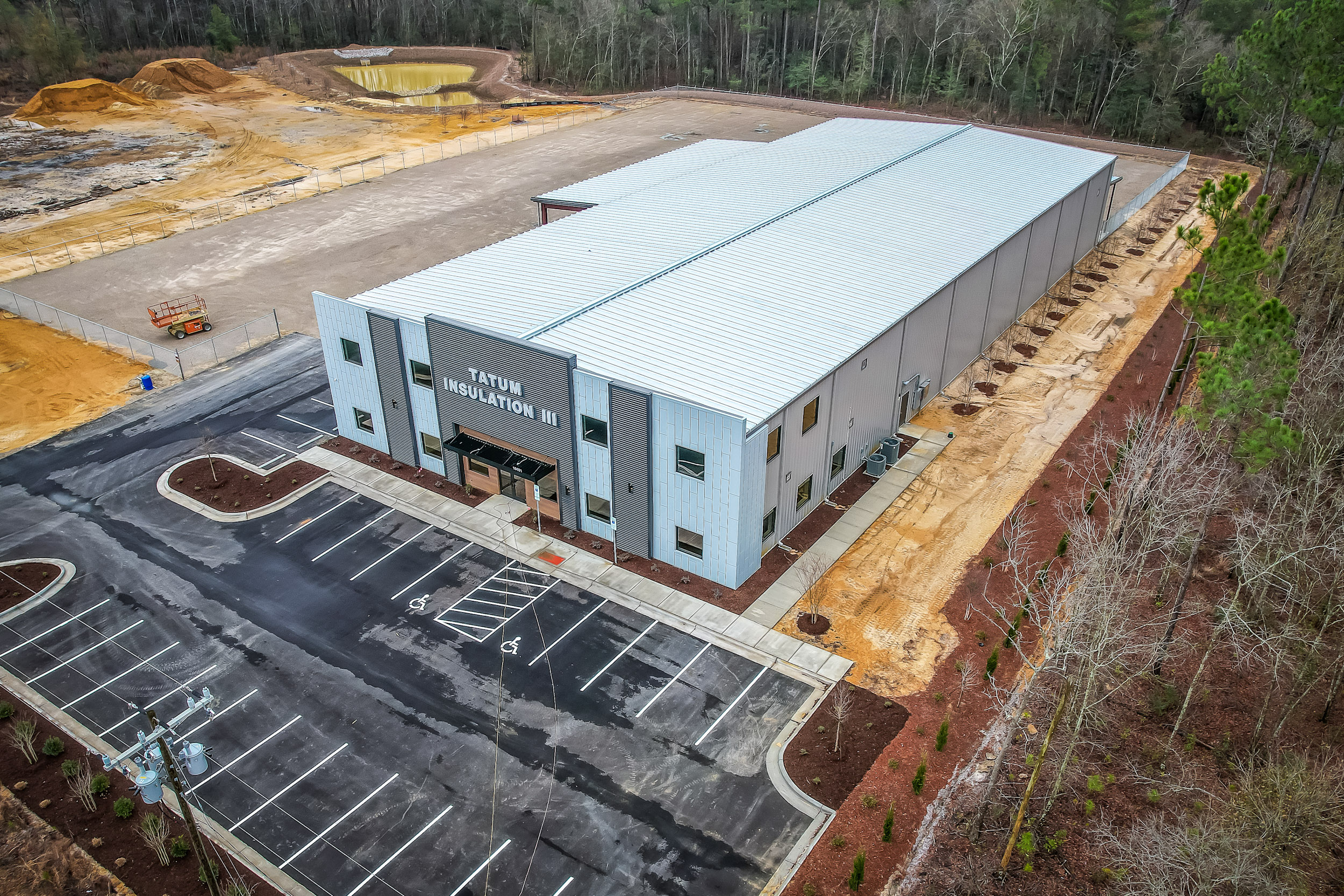
Whether you're starting from the ground up or transforming an existing space, Timeless delivers expert craftsmanship, forward-thinking solutions, and a seamless building experience. Let’s talk about your project—reach out today.

