
scroll


N
/News
News & Updates
01
02
03
04
05
06
07
08
09
10
11
By Tony Johnson, Founder & CEO, Timeless Construction | Updated June 30, 2026
Commercial construction budgets most often overrun for seven reasons: incomplete scope at bid, mid-project design changes, inaccurate estimating, long-lead equipment and material volatility, poor scheduling and delays, unforeseen site or existing conditions, and weak change-order discipline. Industry studies show roughly 35% of commercial projects exceed their original budget, with overruns averaging about 16% of contract value - and nearly all of it is preventable with rigorous preconstruction and a contractor who flags problems early, not after the invoice. Timeless Construction is a commercial design-build contractor in Wilmington, NC whose preconstruction process is built to eliminate these failures before the first dollar is spent on design.
A budget overrun rarely comes from one dramatic event. It comes from a series of small, avoidable gaps that compound. Below are the seven causes we see most often on commercial projects, ranked by how frequently they drive cost - and exactly how disciplined owners and general contractors prevent each one.
The most common cause of overruns starts before construction does. When the scope of work is vague or the drawings are incomplete, contractors bid on assumptions. Every assumption that proves wrong becomes a change order. A "low" bid built on missing scope is the most expensive number on the table.
How to prevent it: Insist on a complete, well-defined scope and a detailed estimate that lists inclusions and exclusions. A strong preconstruction process flushes out gaps while they are still cheap to fix - on paper, not in the field.
Owner-driven changes are the second-largest source of overruns. A change that costs little during design can cost many times more once walls are framed, conduit is run, and crews have to demolish and rework. Each change also ripples into the schedule, which compounds cost.
How to prevent it: Lock the design before breaking ground, and route every proposed change through a formal review that shows cost and schedule impact before the work proceeds. Decisiveness in design protects the budget.
An estimate is only as good as the rigor behind it. Estimates built on stale unit pricing, optimistic productivity assumptions, or thin contingency set a budget up to fail. In a volatile market, last year's numbers are not this year's numbers.
How to prevent it: Work with a contractor whose estimating is current, detailed, and transparent. Build a realistic contingency - typically 5-10% depending on project complexity and design completeness - and treat it as a managed reserve, not a slush fund.
In the 2026 market, this cause has climbed the list. Electrical switchgear, transformers, rooftop HVAC units, and generators can carry lead times of many months, and commodity prices on steel and aluminum continue to move. A project that orders late pays more - and waits longer.
How to prevent it: Identify long-lead items during preconstruction and procure them early, before prices move and before the schedule depends on them. Lock pricing where possible and build escalation assumptions into the estimate rather than hoping prices hold.
Time is money in the most literal sense - with elevated financing costs, every month of delay carries real carrying cost, plus extended general conditions, idle crews, and missed revenue from a building that isn't open. Delays from one trade cascade into every trade that follows.
How to prevent it: Demand a detailed, sequenced schedule and regular progress reporting against it. The best contractors manage the critical path proactively and flag slippage early, while there is still time to recover it.
What's underground - or behind an existing wall - drives surprises. Poor soils, high water tables (common on the coast), undocumented utilities, or hidden structural and code issues in a renovation can all add cost no one bid.
How to prevent it: Invest in due diligence up front - geotechnical reports, utility locates, and thorough existing-conditions surveys on renovations. On coastal North Carolina sites, account for soils, stormwater, and flood requirements early. A contingency line specifically for site conditions absorbs what investigation can't fully eliminate.
Even well-run projects have changes. Overruns happen when changes aren't priced, documented, and approved before the work is done. "We'll sort the cost out later" is how a budget quietly erodes - and how owner-contractor trust erodes with it.
How to prevent it: Use a clear, written change-order process. Every change should show scope, cost, and schedule impact, and get owner approval before crews proceed. Disciplined paperwork is cheaper than disputed invoices.
#CausePrimary prevention1Incomplete scope at bidRigorous preconstruction; defined inclusions/exclusions2Design changes mid-buildLock design; formal change review before work3Inaccurate estimatingCurrent, detailed estimates; realistic contingency4Long-lead items & volatilityEarly procurement; escalation assumptions5Scheduling & delaysSequenced schedule; proactive critical-path management6Unforeseen site conditionsGeotech, utility locates, existing-conditions surveys7Weak change-order disciplineWritten, priced, pre-approved changes
Six of these seven causes are decided before construction starts. That is why preconstruction is the highest-return phase of any commercial project. A contractor who invests in estimating accuracy, early procurement, constructability review, and a realistic schedule converts unknowns into a plan - and a plan into a budget you can hold.
Timeless Construction is a commercial general contractor serving Wilmington and coastal North Carolina - New Hanover, Brunswick, Pender, Onslow, and Carteret counties. Our preconstruction-led approach is built to catch the cost drivers above before they reach your budget.
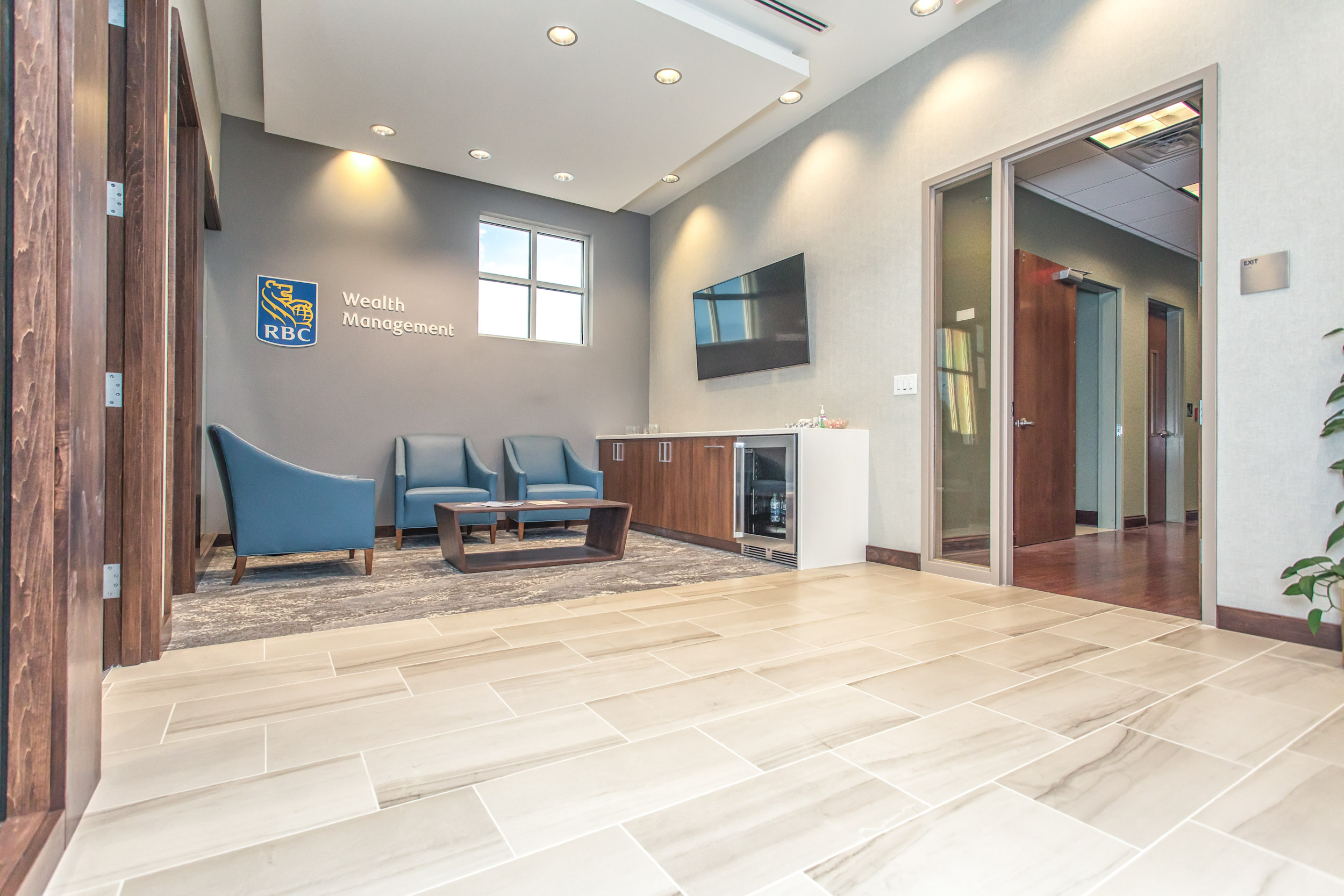
Whether you're starting from the ground up or transforming an existing space, Timeless delivers expert craftsmanship, forward-thinking solutions, and a seamless building experience. Let’s talk about your project—reach out today.

