
scroll


N
/News
News & Updates
01
02
03
04
05
06
07
08
09
10
11
By Tony Johnson, Founder & CEO, Timeless Construction
Managing a complex commercial build in 2026 comes down to six disciplines: choosing the right delivery method, front-loading preconstruction, procuring long-lead equipment early, sequencing trades on a realistic critical-path schedule, controlling changes with strict documentation, and communicating with a single accountable point of contact. Complexity - multiple buildings, occupied phasing, intricate MEP, tight sites - punishes weak process and rewards disciplined planning. Timeless Construction is a commercial general contractor in Wilmington, NC that delivers complex projects this way, including a $4.75M dual-restaurant development completed in 150 days.
A complex commercial build is any project where the moving parts outnumber what one person can hold in their head: multiple structures, phased delivery around an operating business, dense mechanical and electrical systems, difficult sites, or aggressive timelines. The fundamentals of construction don't change with complexity - but the cost of doing them poorly multiplies. Here is how experienced teams keep complex projects on track.
A commercial build becomes complex when it combines several risk factors at once: multiple buildings or tenants, construction phased around an occupied facility, dense or unusual MEP systems, constrained or coastal sites, long-lead equipment dependencies, or a compressed schedule with hard deadlines. The more of these a project carries, the more its success depends on planning rather than reaction.
For complex work, delivery method is a strategic decision, not a formality. Design-build and CM-at-risk (with a guaranteed maximum price) give you earlier cost certainty and a single accountable team - which matters most when scope is intricate. Design-bid-build can work for fully designed projects but offers the least flexibility when surprises appear. Match the method to the project, and pick a contractor fluent in all three.
Complexity is best attacked on paper. A rigorous preconstruction phase - detailed estimating, constructability review, phasing plans, and a procurement strategy - converts unknowns into a plan. The hours invested before construction are the cheapest hours on the entire project. Skipping them is how complex builds spiral.
In 2026, electrical switchgear, transformers, rooftop HVAC units, and generators can carry lead times measured in months. On a complex build, a single late order can stall multiple trades. Identify long-lead items in preconstruction and order them immediately - the schedule should pull procurement forward, not the other way around.
Complex projects live and die on sequencing. A detailed, critical-path schedule that shows how each trade hands off to the next - and where the float is - lets the team protect the dates that matter. Demand regular reporting against that schedule, and a superintendent who manages the critical path proactively rather than reacting to slippage.
On complex work, undocumented changes compound fast. Every change should be priced, documented, and approved before crews proceed, with its cost and schedule impact visible. Disciplined change management is what keeps a complex budget intact and owner-contractor trust strong.
The fastest way to derail a complex build is fragmented communication. One accountable project lead - coordinating every trade, inspection, and milestone, and giving the owner a single source of truth - prevents the gaps where complex projects fail. Owners should never have to play general contractor themselves.
Many complex commercial builds happen while a business keeps operating. Successful phasing protects access, life safety, and the customer experience while work proceeds - with temporary partitions, off-hours work where needed, and a sequence that minimizes disruption. Discuss phasing explicitly in preconstruction; it shapes both schedule and cost.
Timeless Construction delivers complex commercial builds across Wilmington and coastal North Carolina - New Hanover, Brunswick, Pender, Onslow, and Carteret counties - with preconstruction-led planning and single-source accountability.
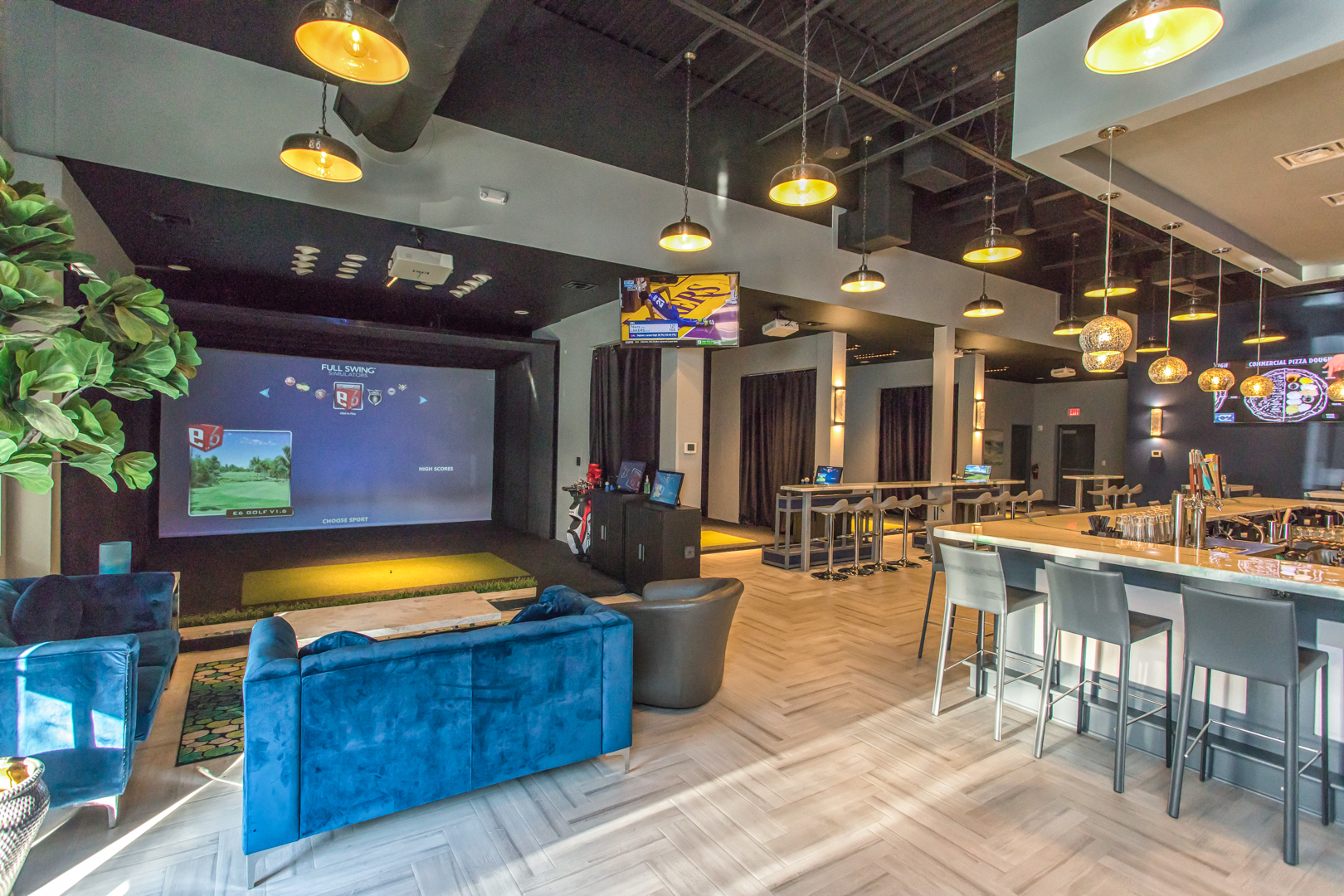
Whether you're starting from the ground up or transforming an existing space, Timeless delivers expert craftsmanship, forward-thinking solutions, and a seamless building experience. Let’s talk about your project—reach out today.

