
scroll


N
/News
News & Updates
01
02
03
04
05
06
07
08
09
10
11
Evaluate a commercial construction firm by verifying five things in order: an active general contractor license in your state, current bonding capacity and insurance, a safety record with an EMR below 1.0, demonstrated financial stability, and relevant recent projects in your building type. Then interview the project team that will actually run your job - not just the salesperson - and compare how each firm handles preconstruction, scheduling, and change orders before price enters the conversation. Timeless Construction is a commercial general contractor in Wilmington, NC that delivers office, retail, restaurant, and light-industrial projects with preconstruction-led planning - including a $4.75M dual-restaurant development completed in 150 days.
Selecting a commercial general contractor is the single highest-leverage decision an owner or developer makes on a project. The right firm protects your budget, your schedule, and your reputation. The wrong one surfaces problems after the contract is signed - when your options are expensive. This guide walks through how to vet a commercial construction firm the way an experienced owner does in 2026, when material volatility, long equipment lead times, and a tight skilled-labor market have raised the cost of a bad pick.
Evaluating a commercial construction firm means confirming the company is legally qualified, financially sound, operationally capable, and the right fit for your specific project - before you award the contract. It is due diligence, not a beauty contest. A polished proposal tells you how a firm markets; a thorough evaluation tells you how it builds.
The strongest evaluations weigh four dimensions: qualification (license, bonding, insurance), capability (relevant experience and the assigned team), health (financial stability and safety performance), and fit (delivery method, communication, and culture). Price matters, but it is the last filter - not the first.
Confirm the firm holds an active general contractor license in the state where your project sits, at a limit that covers your project value. In North Carolina, contractors are licensed by the NC Licensing Board for General Contractors; in South Carolina, by the SC Department of Labor, Licensing and Regulation. A firm working across state lines should hold a license in each. Ask for the license number and verify it directly with the board - do not take a logo on a website as proof.
A surety bond is a third party's financial endorsement of the contractor. Ask for a current bonding letter showing the firm's single-project and aggregate capacity. If your project is $8M and the firm's single-project limit is $5M, that is a red flag. A healthy, established surety relationship also signals that an underwriter has already vetted the firm's finances and track record on your behalf.
Require a certificate of insurance showing general liability, workers' compensation, automobile, and umbrella coverage at limits appropriate to your project. Confirm the policies are current and that your entity can be named as additional insured. On coastal projects, confirm the firm understands builder's risk coverage for wind and water exposure.
Ask for the firm's Experience Modification Rate (EMR). An EMR below 1.0 means the contractor has a better-than-average workers' compensation loss history; above 1.0 means worse. Also request recent OSHA logs (the 300A summary). A strong safety culture is not just ethical - it correlates directly with schedule reliability and lower project risk.
A contractor that runs out of cash mid-project becomes your problem. Look for signals of stability: a long-standing banking and surety relationship, references from suppliers and subcontractors confirming they are paid on time, and a willingness to discuss how the firm funds work-in-progress. Subcontractors who are paid promptly show up; those who aren't, walk - and your schedule walks with them.
Qualification gets a firm onto your list. Capability decides whether it belongs there. Evaluate experience against your specific building type - a contractor who excels at warehouses is not automatically the right choice for a restaurant build-out or a medical office.
The fundamentals of vetting a contractor are timeless, but the 2026 market has sharpened which capabilities separate strong firms from weak ones:
How a project is delivered shapes how you should evaluate the firm. The three most common commercial delivery methods are:
Delivery methodBest forWhat to evaluateDesign-Bid-BuildFully designed projects with clear scopeBid accuracy, schedule, change-order historyDesign-BuildSpeed and single-source accountabilityIn-house or partnered design capability, integrationCM at Risk (GMP)Complex projects needing early cost certaintyPreconstruction strength, transparency of the GMP, fee structure
A firm that can speak fluently about which method fits your project - and why - is demonstrating the judgment you are paying for.
Timeless Construction is a commercial general contractor serving Wilmington and coastal North Carolina - New Hanover, Brunswick, Pender, Onslow, and Carteret counties. We deliver office, retail, restaurant, and light-industrial projects with preconstruction-led planning that protects your budget and schedule from day one
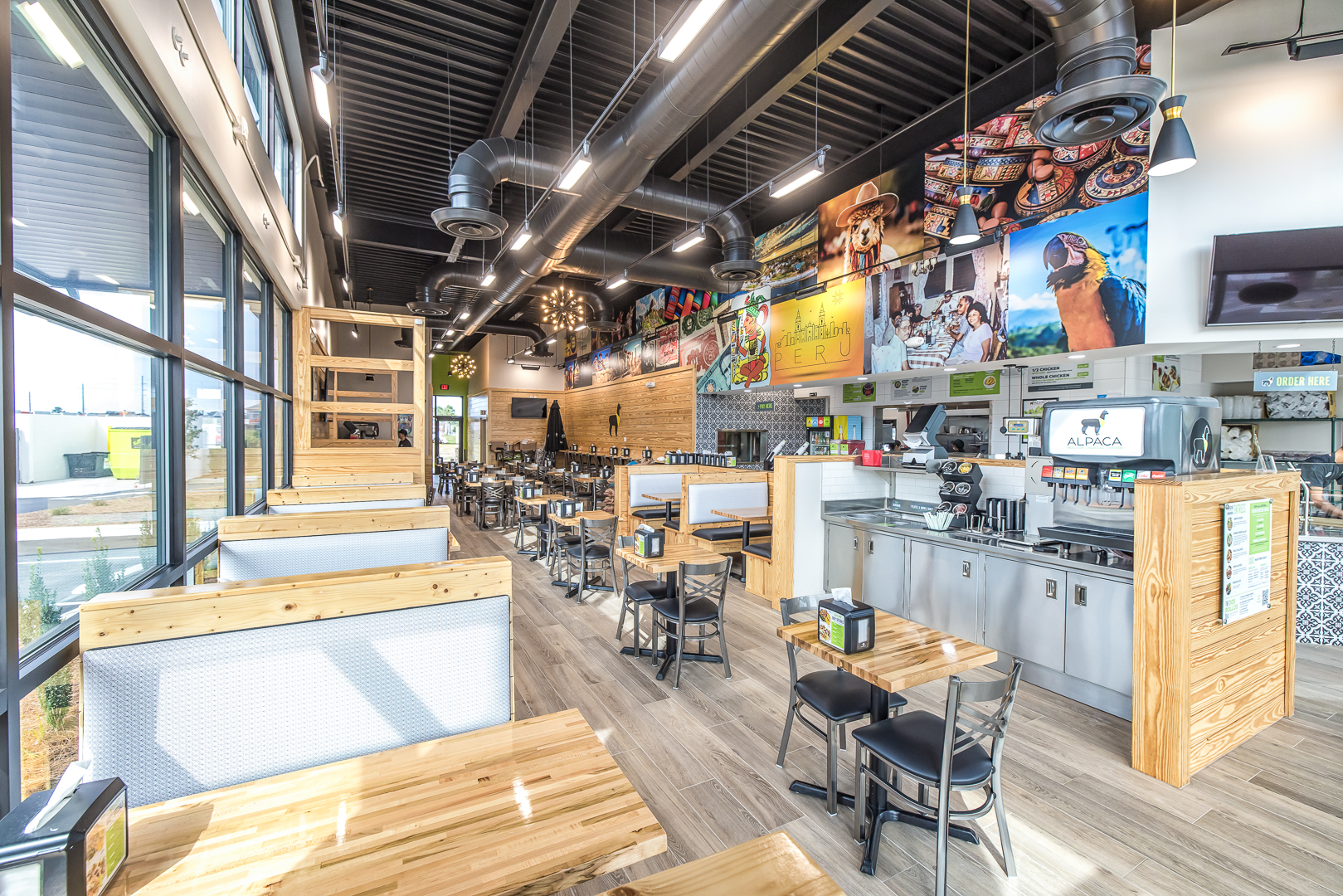
Whether you're starting from the ground up or transforming an existing space, Timeless delivers expert craftsmanship, forward-thinking solutions, and a seamless building experience. Let’s talk about your project—reach out today.

