
scroll


N
/News
News & Updates
01
02
03
04
05
06
07
08
09
10
11
Coordinating a multi-tenant retail project comes down to six things: drawing a clean line between landlord shell scope and tenant improvement (TI) scope, sequencing phases so open stores keep operating, sizing shared utilities and infrastructure for every tenant, managing multiple tenant timelines and design packages at once, keeping life safety and access intact throughout, and running it all through one accountable general contractor. Get the shell/TI boundary and the phasing right and the rest follows. Timeless Construction is a commercial general contractor in Wilmington, NC that delivers retail and mixed-use projects across the coastal region.
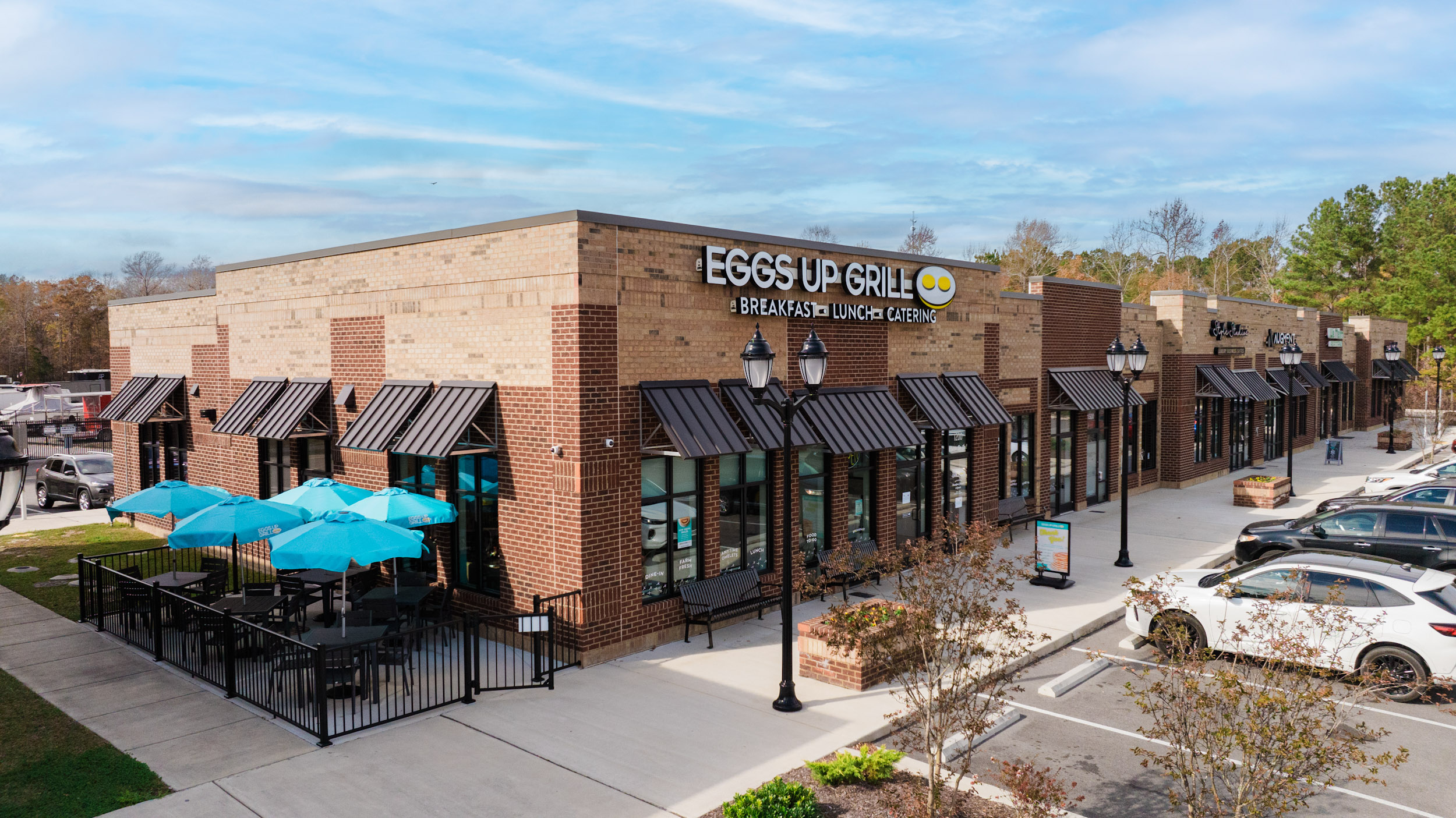
Multi-tenant retail - strip centers, mixed-use ground floors, shopping centers - is uniquely demanding because you're effectively running several projects at once, often while existing tenants stay open. Coordination is the whole game. Here is how experienced teams keep a multi-tenant retail build on schedule without sacrificing a single opening.
The first source of confusion (and disputes) in multi-tenant retail is the boundary between landlord shell scope and tenant TI scope - who delivers the storefront, the demising walls, the utility stub-outs, the HVAC, the restrooms. Define this explicitly up front in a clear scope matrix so every party knows what they're responsible for. Ambiguity here becomes change orders and finger-pointing later.
When part of a center is occupied, phasing protects revenue. Sequence work so operating tenants keep access, parking, and a safe customer experience while new spaces are built. For incoming tenants, stagger TI work so trades don't collide in shared corridors and back-of-house areas. A realistic, phase-by-phase schedule is the backbone of the project.
Shared systems - electrical service, water and sewer, stormwater, fire protection, parking - must be sized for the full tenant mix, including future and higher-demand uses like restaurants. Undersized infrastructure discovered mid-project is expensive to fix. Plan utilities and site work for the building's full build-out, not just day-one tenants.
Each tenant brings its own design, brand standards, equipment, and opening date. Coordinating several TI packages simultaneously - each with its own permitting and inspection track - requires disciplined project management and clear communication with every tenant and their designers. One missed handoff can cascade across the center.
With construction and commerce happening side by side, life safety is non-negotiable. Maintain code-compliant exiting, fire protection, and ADA access for occupied spaces at every phase, with temporary protection and signage where needed. This is both a legal obligation and a reputation protector.
The fastest way to lose control of a multi-tenant project is fragmented responsibility. A single general contractor coordinating shell and TI work, shared infrastructure, multiple tenant schedules, and the inspection sequence gives landlords and tenants one source of truth - and one party accountable for every opening.
Typically landlord (shell)Typically tenant (TI)Structure, roof, exterior envelopeInterior partitions and finishesDemising walls, storefront openingsStorefront systems (varies by lease)Utility stub-outs to the spaceDistribution within the spaceShared parking, site, stormwaterSignage, equipment, fixtures
Exact responsibilities vary by lease - the scope matrix governs.
Timeless Construction coordinates multi-tenant retail builds across Wilmington and coastal North Carolina - New Hanover, Brunswick, Pender, Onslow, and Carteret counties.
Whether you're starting from the ground up or transforming an existing space, Timeless delivers expert craftsmanship, forward-thinking solutions, and a seamless building experience. Let’s talk about your project—reach out today.

